Connect the brief to the decision
Explain the operational problem before showing the interface. Make the relationship between an observed issue and a proposed response explicit.


06 / Communication & trade-offs
Design communication gives product and engineering partners enough context to understand a decision, challenge it, and implement it with care.
What are we optimizing—and what must we protect?
Explain the operational problem before showing the interface. Make the relationship between an observed issue and a proposed response explicit.
State when the rule applies, what exceptions need handling, and what remains uncertain. Avoid leaving these decisions hidden in a screen.
Connect the flow, states, copy, and acceptance questions. Partners should know what the experience needs to communicate, not just how it should look.
In practice / HRMS
Reducing repeated bank checks is useful only if changed details are still verified. Allowing record updates is useful only if permissions and traceability are clear. Naming these trade-offs makes the design easier to review.
Explore the project evidence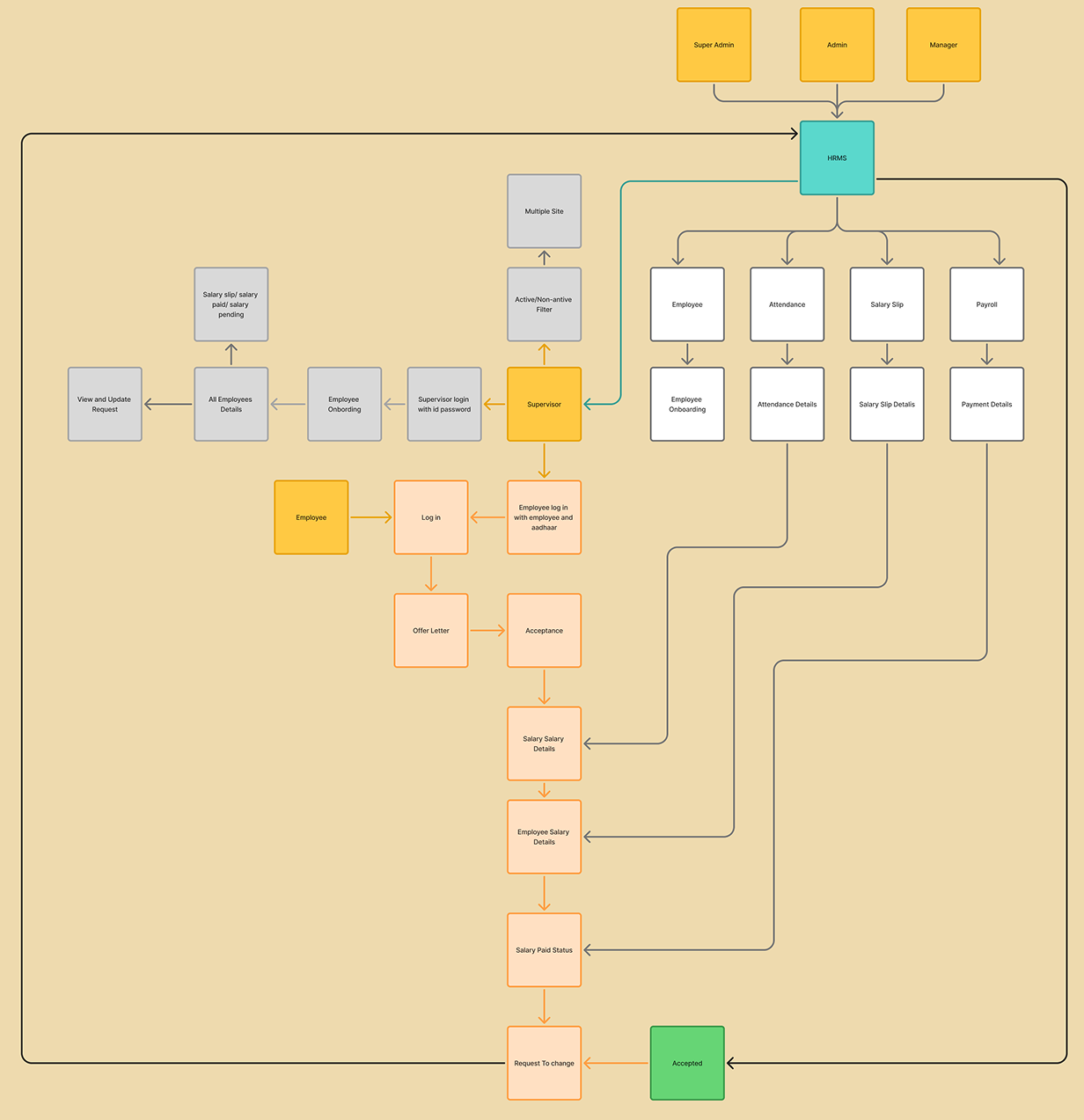
The details that matter
| Decision | Benefit | Boundary to protect |
|---|---|---|
| Avoid repeated verification | Reduce unnecessary checks | Changed bank details require review |
| Allow record correction | Recover without re-onboarding | Authorization and an audit trail |
| Support bulk payroll work | Handle operational volume | Separate preparation from payment confirmation |
Next / Design, in practice