Frame the operational cost
Identify the repeated action, the people doing it, and the consequence of getting it wrong. A cleaner screen alone would not solve repeated verification.


01 / Product & business thinking
A useful product decision connects what people need to accomplish with what the business needs to get right.
How do you reduce unnecessary work without compromising accuracy?
Identify the repeated action, the people doing it, and the consequence of getting it wrong. A cleaner screen alone would not solve repeated verification.
Distinguish new records, unchanged verified details, and changed bank details. Each needs a different next step.
A changed bank account still needs fresh verification. Efficiency should not silently remove a necessary accuracy check.
In practice / HRMS
In HRMS, re-uploading an employee sheet could trigger another bank check. The design separates validation from verification and makes the employee record the source of continuity.
Explore the project evidence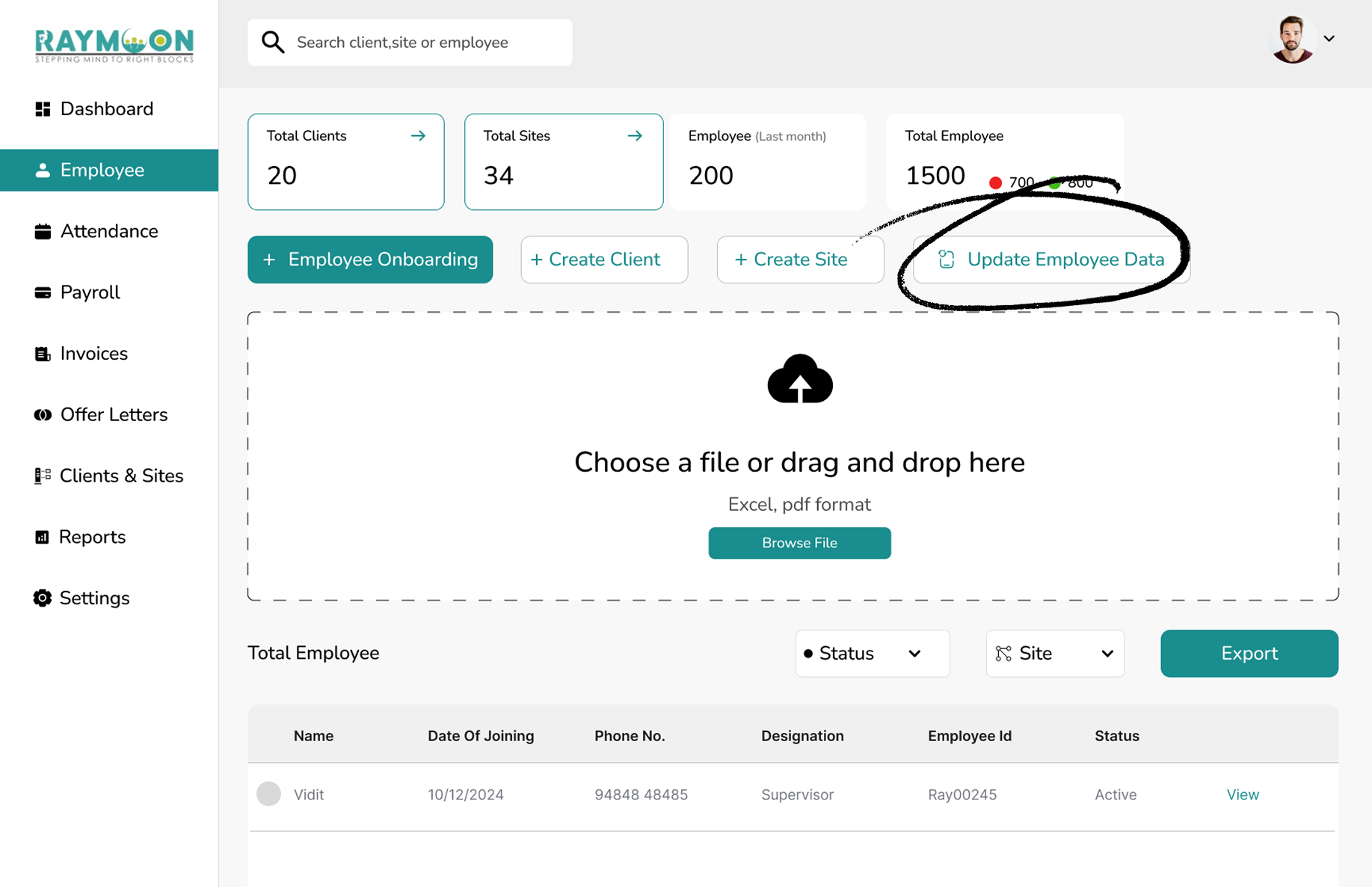
The details that matter
| Design choice | Business relevance | User relevance |
|---|---|---|
| Check eligible records | Avoid unnecessary repeated checks | Reduce avoidable processing |
| Validate before verification | Prevent invalid requests | Explain which records need correction |
| Keep an identifiable employee record | Support traceability across payroll work | Allow updates without starting again |
Next / Design, in practice